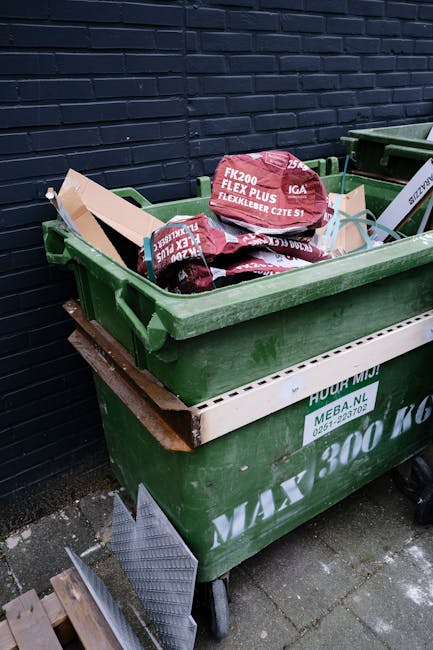
West Green Road rubbish collection services Seven Sisters

If you live, work, or run a project along West Green Road, rubbish has a funny way of piling up faster than you expect. One broken wardrobe becomes two bags of mixed junk, then suddenly the hallway feels smaller, the back yard looks tired, and the job you meant to do "this weekend" is still there next Thursday. That is where West Green Road rubbish collection services Seven Sisters become genuinely useful: they give you a quick, organised way to clear waste without turning your day into a logistical headache.
This guide explains how rubbish collection in the West Green Road and Seven Sisters area typically works, what to expect, who it suits, and how to avoid the usual mistakes. You will also find a practical checklist, a realistic example, and a few no-nonsense tips that make the whole process smoother. Simple enough. But worth doing properly.
Why West Green Road rubbish collection services Seven Sisters Matters
West Green Road sits in a busy part of North London where homes, flats, shops, trades, and shared buildings all overlap. That mix is exactly why rubbish collection matters. Waste can build up for different reasons in different properties, and one-size-fits-all solutions rarely feel practical. A small flat clearance on a side street is not the same as clearing builder's rubble after a renovation, and neither is the same as moving office waste from a commercial space with stairs, narrow access, or time pressure.
In an area like Seven Sisters, convenience matters, but so does timing. People are often juggling work, childcare, shift patterns, deliveries, or landlords arranging repairs. When waste starts blocking access, it affects more than appearance. It can slow down maintenance, create awkward smells, attract pests, and make a property harder to use. Not ideal, really.
There is also a practical trust issue. You want the waste to be handled by someone who knows what can be taken, how it should be loaded, and where different materials should go next. That is why a proper rubbish collection service is not just "someone with a van". It is an organised process with sorting, lifting, transport, and responsible disposal in mind. For broader disposal needs, many local customers also look at waste removal as the main umbrella service, then choose a more specific clearance option depending on the job.
Expert summary: The best rubbish collection service is the one that removes the waste quickly, protects your property, respects access constraints, and leaves you with less stress - not just less clutter.
How West Green Road rubbish collection services Seven Sisters Works
Most rubbish collection jobs follow a straightforward pattern, though the details vary depending on the waste type and property layout. If you have never booked this kind of service before, the process is usually more straightforward than people imagine.
1. You describe the waste
You start by explaining what needs removing. That may include bags of mixed rubbish, old furniture, broken appliances, garden cuttings, loft clutter, or debris from light building work. The more accurate the description, the easier it is to match the right vehicle, labour, and time slot.
2. The collection is planned around access
Access matters a lot on West Green Road. There may be stairs, tight hallways, limited parking, controlled loading areas, or awkward entry points. A good service will ask about these details early, because a fast job at ground level can become a very different job once carrying distance and lifting constraints appear.
3. Waste is removed from the property
On the day, the team usually removes items from where they are stored: basement, garden, loft, flat, garage, office, or front room. If a building has a lift or shared access, that can help. If not, the team works carefully through stairs or narrow routes. It is a physical job, and the best crews work methodically rather than rushing and scraping walls on the way out. You notice that sort of thing straight away.
4. Items are sorted for disposal, recycling, or separate handling
Not all rubbish is equal. Mixed household clutter, clean cardboard, old furniture, and construction debris should not all be treated the same way. Responsible collection includes separating reusable or recyclable materials where possible. For customers who want to keep the environmental side in view, it helps to read more about recycling and sustainability.
5. The final load is cleared and the space is left tidy
Once the waste is loaded, the last step is a tidy-up. That may sound small, but it matters. Loose debris, splinters, dust, and broken bits left behind can make a freshly cleared space feel unfinished. A decent service should leave the area ready for the next step, whether that is decorating, selling, cleaning, or simply breathing again.
For some jobs, a specialist page makes more sense than a general collection. A bulky sofa, for instance, may be better handled through furniture disposal, while a larger household clear-out may fit better with house clearance or home clearance.
Key Benefits and Practical Advantages
The biggest benefit is obvious: the rubbish disappears. But the real value runs deeper than that. A well-run collection service saves time, prevents stress, and helps you make decisions you have probably been putting off for weeks.
- Less disruption: You avoid repeated trips to a disposal site and the awkward business of lifting awkward items into a car that was never meant for it.
- More usable space: A cleared hallway, garden, office, or loft immediately feels more manageable.
- Better safety: Removing loose waste reduces trip hazards, sharp edges, and blocked access.
- Cleaner end result: A professional clearance is usually neater than a rushed self-clearance.
- Flexible for many property types: Flats, houses, shops, and workspaces all have different clearance needs.
- Useful for deadlines: If a tenancy ends, builders are due, or a room needs to be handed over, speed really matters.
There is also a psychological benefit people often underestimate. Once the clutter is gone, you can think clearly again. That sounds a bit grand, maybe, but it is true. A clean entryway or open room changes how a property feels the moment you walk in.
If the waste has built up alongside other household items, you may find a more specific service like furniture clearance, garage clearance, or loft clearance offers a better fit than a general one-off collection. A lot depends on the shape of the job.
Who This Is For and When It Makes Sense
This kind of rubbish collection service is useful for a broad mix of people. If you are wondering whether it is the right move, ask yourself a simple question: is the waste taking time, space, or energy that you would rather spend elsewhere?
Typical situations where it makes sense
- After a house move, when unwanted items are left behind
- Following a tenancy change or end-of-lease tidy-up
- Before decorating, renovations, or repairs
- After replacing furniture, appliances, or office equipment
- When a loft, garage, or shed has become unusable
- After garden work leaves branches, cuttings, or soil to remove
- For businesses that need routine or ad hoc waste support
It is also useful for people who simply do not want the hassle of managing waste themselves. And fair enough. Not everyone has the time, the transport, or the appetite for lifting a sagging sofa down two flights of stairs. Let's face it, some jobs are best handled by people who do them every day.
For commercial users, business waste removal can be the more appropriate choice, especially where waste comes from offices, retail rooms, or day-to-day operations rather than a one-off domestic clearance. Similarly, if your site includes renovation debris, builders waste clearance is usually the better route.
Step-by-Step Guidance
If you want a smooth experience, a little preparation goes a long way. Here is the practical sequence most people should follow.
- Walk through the property. Identify all items to be removed. Try to separate general rubbish, furniture, electrical items, and anything fragile or awkward.
- Decide what stays. This is where the process often slows down. Be decisive. If you are unsure about one or two items, set them aside rather than letting them drift back into the pile.
- Check access. Measure narrow staircases, note parking limits, and think about any restrictions on loading or entry.
- Group items sensibly. Put rubbish in one area if possible. If you cannot, just make sure the team can identify what goes and what remains.
- Ask about different waste types. Mixed waste, furniture, and construction waste may be handled differently. A good provider should explain that clearly.
- Confirm timing and expectations. It helps to know how long the job may take, whether two people are required, and whether any items need special handling.
- Prepare the area. Move pets, unlock gates, clear a path, and make a quick check for items you do not want removed by mistake.
- Review the space afterwards. Make sure the job has been completed properly and that no small debris has been left behind.
If you are planning a wider tidy-up, the service might also overlap with flat clearance or office clearance depending on the property type. That is worth thinking through before you book, because the right label often leads to the right team and the right setup.
Expert Tips for Better Results
Here is where a little experience helps. The same job can feel easy or chaotic depending on a few small choices, and those choices are usually made before the team arrives.
- Photograph the waste in advance. A few clear photos help you explain the scale of the job without under- or over-describing it.
- Separate reusable items early. If you know a table, chair, or cabinet is being kept, move it out of the main pile.
- Clear access paths first. This saves time and reduces the chance of knocks and scrapes.
- Be honest about awkward items. Heavy wardrobes, broken desks, wet garden waste, and mixed rubble all change the approach.
- Ask where the waste goes. Responsible disposal matters, especially when you want to avoid unnecessary landfill.
- Schedule around building or moving days. Timing the collection either before or immediately after the bigger job can reduce clutter and double-handling.
A small, practical point: if you are dealing with a basement flat or a top-floor property, mention the stairs from the start. Nobody enjoys surprises halfway through a lift. And neither does the wall paint.
When the waste includes old household goods, you may want to compare furniture clearance with furniture disposal. The distinction is not just wording; it can affect what the team brings, how they load, and what the disposal path looks like.
Common Mistakes to Avoid
Most problems with rubbish collection are avoidable. That is the good news. The not-so-good news is that people keep making the same mistakes because they are in a hurry or trying to keep things vague. A bit of clarity saves trouble later.
- Leaving the sort-out until the collection day. That usually turns a one-hour job into a longer, less efficient one.
- Underestimating the amount of waste. A single room can hold more than you think, especially if it includes furniture or builder's debris.
- Mixing items that need different handling. Clean recyclables, electricals, and general rubbish should not all be thrown together without asking first.
- Forgetting access restrictions. Parking issues or narrow entrances can change the whole plan.
- Not checking what is included. Tidy-up, lifting, loading, and disposal are sometimes assumed but not always identical from one provider to the next.
- Keeping items in hidden corners. It is surprisingly easy to overlook things behind doors, in sheds, or under stairs. Then they remain, lonely and annoying.
Another one: do not assume every clearance job is just standard rubbish. If there is a mix of home contents and renovation debris, it may be better to split the job across categories. That is why people often compare home clearance with builders waste clearance before choosing a service.
Tools, Resources and Recommendations
You do not need a toolbox full of specialist gear to prepare for rubbish collection, but a few simple tools make life easier.
Useful things to have ready
- Strong bin bags or rubble sacks for loose waste
- Marker tape or sticky notes for items to keep
- Gloves for sorting sharp or dusty material
- A torch for lofts, sheds, or dark corners
- Measuring tape if access is tight
- A phone camera for quick photos
From a planning point of view, it helps to keep a short written inventory. Not a fancy spreadsheet. Just a page of notes or a phone list with the main categories: furniture, bags, appliances, garden waste, boxes, and mixed rubbish. You will be less likely to forget something important.
Useful supporting pages on this site can also help you choose the right route depending on what you need cleared. If the job involves a cluttered outbuilding, garage clearance may be the most direct fit. If it is more of a property-wide job, house clearance or home clearance could be the better starting point. And if you are comparing costs or want to understand quote structure, the page on pricing and quotes is a useful next step.
Law, Compliance, Standards, or Best Practice
Waste removal in the UK should always be approached carefully. You do not need to become a compliance expert just to clear out a room, but you should understand the basic responsibilities. In plain terms, waste should be handled by people who can remove it responsibly, sort it sensibly, and dispose of it through appropriate channels.
For households and businesses, the main practical concern is duty of care. That means being careful about what is handed over, avoiding fly-tipping, and making sure waste does not end up dumped somewhere it should not be. No one wants to find their old sofa in a field. Or worse, linked back to them.
There are also safety expectations. Heavy lifting, sharp materials, dust, and awkward access can all create risks. A reputable provider should work with suitable procedures, protective equipment, and insurance arrangements. If you want extra reassurance on that side, the site's insurance and safety information is worth reviewing, alongside the health and safety policy.
Best practice also means transparency. If a service cannot clearly explain what happens to the waste, that is a red flag. If they can explain collection, sorting, and disposal in simple terms, that is a much better sign. It does not need to be complicated. It just needs to be careful and consistent.
Options and Comparison Table
Different clearing jobs need different approaches. Here is a simple comparison to help you decide what fits best.
| Option | Best for | Strengths | Watch-outs |
|---|---|---|---|
| General rubbish collection | Mixed household or property waste | Flexible, quick, useful for small-to-medium jobs | May not suit specialist waste types |
| House or home clearance | Whole-property or multiple-room clear-outs | Good for larger projects and varied contents | Needs clearer planning and access info |
| Furniture disposal | Bulky items like sofas, beds, wardrobes | Efficient for large single items or sets | Not ideal if the waste is mostly loose rubbish |
| Builders waste clearance | Renovation debris, rubble, timber, plasterboard | Better suited to construction material handling | Should not be mixed casually with domestic clutter |
| Business waste removal | Offices, shops, and working premises | Supports commercial schedules and business needs | May need extra care around access and timing |
The right option depends on what you are clearing, how much there is, and how fast you need it gone. If in doubt, it is usually better to describe the waste honestly and let the service guide the choice. That saves a lot of back and forth.
Case Study or Real-World Example
Here is a realistic example based on the kind of job people regularly need along West Green Road.
A tenant is moving out of a two-bedroom flat near Seven Sisters and has a mix of unwanted furniture, black bags of general rubbish, a broken desk, and a few boxes from the spare room. The building has stairs, limited landing space, and not much room for parking outside. The tenant initially thinks it is just "a few bits and pieces". Then they open the second bedroom cupboard and discover the rest of the story. Classic.
Instead of trying to do it in several car loads, they book rubbish collection and explain the access details in advance. The waste is grouped into categories, the items that are staying are marked clearly, and the hall path is cleared before the team arrives. The result is faster because the practical issues were handled early. No dragging, no confusion, no last-minute decisions about a battered bookshelf that should have gone years ago.
That kind of preparation is what turns a potentially stressful clearance into a neat, manageable job. And honestly, that is what most people want: not drama, just the room back.
Practical Checklist
Use this checklist before your rubbish collection appointment:
- List everything that needs removing
- Separate items you want to keep
- Take photos of larger items or awkward access points
- Check stairs, parking, gates, and entry routes
- Move fragile items away from the working area
- Confirm whether the waste is mixed, bulky, or specialist
- Ask about recycling and disposal handling
- Make sure pets and children are kept safely clear during the job
- Leave the team a clear path to the waste
- Do a final walk-through after removal
A small checklist like this saves time and a lot of second-guessing. If you have ever stood in a doorway saying "No, I think that lamp stays" while three other things are already outside, you will appreciate the structure.
Conclusion
West Green Road rubbish collection services Seven Sisters are at their best when they do more than haul things away. The right service should make your space usable again, reduce pressure, and handle the practical details with care. Whether you are dealing with a flat full of mixed clutter, a garden after a big tidy-up, a garage that has become a storage cave, or a business space that needs clearing fast, the key is to choose the service that matches the job rather than forcing the job to fit the service.
Plan the access, describe the waste properly, and think about the end result you want. It really is that simple, even if the pile in front of you makes it feel otherwise. And once the space is clear, you will feel the difference straight away - in the air, in the light, and in the way the room gives something back to you.
If you are ready to take the next step, use the pricing guidance, check the service details, and make a straightforward plan for the clearance.
Get a free quote today and see how much you can save.
Frequently Asked Questions
What does West Green Road rubbish collection services Seven Sisters usually include?
It usually includes the removal of general rubbish, bulky items, mixed household waste, and other unwanted materials from homes, flats, gardens, offices, or small commercial premises. The exact scope depends on the job, so it is best to describe what you have clearly before booking.
Is rubbish collection better than taking waste to the tip myself?
For many people, yes. Self-disposal can take time, requires transport, and often means repeated lifting. Collection is usually more convenient, especially if the waste is bulky, heavy, or spread across several rooms. If you enjoy lugging a mattress down stairs on a damp morning, fair enough. Most people do not.
Can rubbish collection handle furniture and bulky items?
Yes, in many cases. Sofas, tables, wardrobes, beds, and similar items are commonly removed through furniture clearance or furniture disposal services, depending on the mix of waste involved.
What should I do before the team arrives?
Sort what is going, separate what is staying, clear access routes, and note any stairs, parking issues, or tight doors. A few minutes of preparation can save a surprising amount of time on the day.
How do I know whether I need house clearance or general rubbish collection?
If you are clearing an entire property or several rooms of contents, house clearance or home clearance may fit better. If you just have mixed rubbish or a smaller load, general rubbish collection is often enough.
Is builder's waste treated differently from household rubbish?
Usually, yes. Builder's waste often includes rubble, timber, plasterboard, and other construction material, so it is better handled through builders waste clearance rather than mixed casually with domestic clutter.
What happens to the waste after collection?
Responsible services will sort items for appropriate disposal, recycling, or separate handling where possible. The exact route depends on the waste type and condition, but transparency about disposal is a good sign.
Can rubbish collection help with office or shop waste?
Yes. Business waste removal is commonly used for offices, shops, storage rooms, and other commercial spaces where waste needs to be removed quickly and with less disruption.
How much preparation do I really need to do?
Not a huge amount. The main thing is clarity. Know what is leaving, what is staying, and what access looks like. If you can do that, you are already ahead of most people.
Is rubbish collection suitable for garden waste too?
Yes, especially if you have branches, cuttings, soil, or mixed green waste after a garden clear-up. For larger outdoor jobs, a dedicated garden clearance service may be the better fit.
What if I have items in a loft, garage, or basement?
That is very common. Loft clearance and garage clearance are often used for these jobs because they involve awkward access, dusty corners, and loads of forgotten items. The key is to mention access issues early.
Why does recycling matter in rubbish collection?
Because not all waste should go to the same place. Sorting recyclable and reusable materials helps reduce unnecessary disposal and supports better environmental practice. It is one of those things that sounds small but matters a lot over time.
If you want a company overview before deciding, you can also review about us. For booking or next steps, the contact us page is the natural place to go. If you want to understand policies before moving forward, the site also provides terms and conditions and privacy policy.