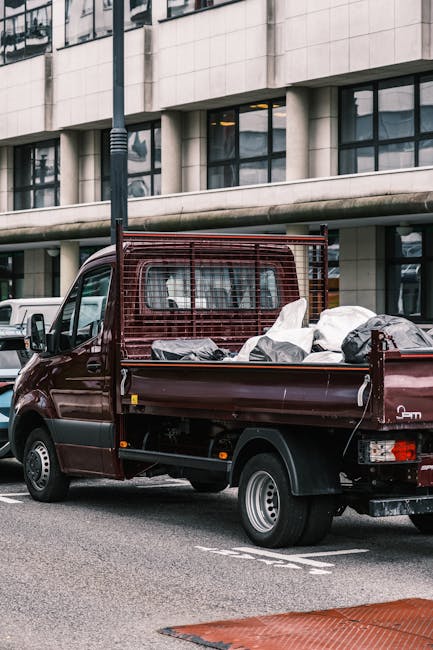
What to know about bulky waste pickups in N15
If you are trying to clear an old mattress, a broken wardrobe, or the kind of sofa that has somehow become part of the room, bulky waste pickups in N15 can feel like a small but annoying puzzle. What counts as bulky waste? Who collects it? How do you avoid missing a pickup slot or leaving items in the wrong condition? The good news is that once you understand the process, it gets much simpler.
This guide covers what bulky waste pickups usually involve, how local collections tend to work, the practical pros and cons, and what to check before you book anything. If you are weighing up whether to use a council-style collection, a private clearance team, or a broader waste removal service, you will find a clear way through it here. Let's make it straightforward.
Table of Contents
- Why bulky waste pickups in N15 matter
- How bulky waste pickups in N15 work
- Key benefits and practical advantages
- Who this is for and when it makes sense
- Step-by-step guidance
- Expert tips for better results
- Common mistakes to avoid
- Tools, resources and recommendations
- Law, compliance, standards, or best practice
- Options, methods, or comparison table
- Case study or real-world example
- Practical checklist
- Conclusion
- Frequently Asked Questions
Why bulky waste pickups in N15 matter
Bulky waste is one of those things most people do not think about until the hallway is blocked and the item has been sitting there for far too long. In N15, where homes range from compact flats to larger terraced properties and shared buildings, getting rid of oversized items is often more awkward than it first looks. A mattress will not fit neatly into a wheelie bin. A dining table will not magically shrink. Shame.
That is why a proper bulky waste pickup matters. It helps you clear space safely, keeps common areas tidy, and reduces the temptation to leave items outside "just for now". In busy London streets, that rarely works out well. It can cause obstruction, nuisance, or even complaints from neighbours.
There is also a practical side. Bulky items often take more than one person to move, may need protective handling, and can contain mixed materials such as wood, metal, foam, or fabric. A planned collection is usually safer than trying to drag something heavy down stairs on your own, especially in an older property where the staircase is narrow and the corners are unforgiving.
If you are dealing with household clutter, it can also be useful to look at related services such as house clearance or flat clearance when the job is bigger than a single item. That is often the point where a "quick pickup" becomes a half-day mission.
How bulky waste pickups in N15 work
The exact process depends on who you book with, but the basic pattern is usually the same. You identify the items, check what is accepted, arrange a collection time, and make sure the waste is ready for pickup. The smoother the preparation, the easier the day itself.
Typical stages of the process
- Identify the items. Note exactly what needs removing, including quantity, size, and whether the item is dismantled.
- Check acceptance rules. Some providers take furniture, white goods, and general household bulky waste, while others are stricter about fridges, mattresses, or certain electricals.
- Request a quote or booking slot. Pricing may depend on volume, weight, access, and the labour involved.
- Prepare the waste. Move items to a suitable collection point if asked, or keep them accessible for the team.
- Collection and sorting. Items are loaded, separated where possible, and taken for reuse, recycling, or disposal.
In practice, the booking stage is where most problems begin or end. A small error in describing the load can mean the crew arrives with the wrong vehicle size, or the quoted price no longer reflects the actual job. To be fair, that is not unusual; bulky waste is hard to judge from a quick glance.
Some people also mix bulky waste pickups with garden debris, DIY rubble, or office furniture. That is possible in some cases, but you should be clear about the type of waste from the start. If you have a mixed load, a service like builders waste clearance or office clearance may be more appropriate than a simple household pickup.
Key benefits and practical advantages
The obvious benefit is getting rid of things you no longer need. But the real value of bulky waste pickups in N15 goes beyond just empty floor space. It is about saving time, reducing stress, and avoiding the slightly grim business of trying to shift heavy objects yourself.
- Less hassle: You do not need to borrow a van, find helpers, or figure out where to take the item.
- Safer handling: Heavy or awkward pieces are moved by people used to lifting and loading safely.
- Better for the property: Proper removal helps avoid scuffed walls, damaged floors, and blocked entrances.
- More organised disposal: Items can be sorted for recycling or responsible disposal rather than dumped.
- Time saved: One appointment can solve a problem that might otherwise drag on for weeks.
There is also the peace-of-mind factor. When bulky items are out of the way, the place feels calmer. You notice the room is brighter. The floor is visible again. Very simple, but oddly satisfying.
For items like worn chairs, old wardrobes, and broken tables, you may want to compare a general pickup with a dedicated furniture clearance or furniture disposal option. That can sometimes be more efficient than treating everything as generic bulky waste.
Who this is for and when it makes sense
Bulky waste pickups are not only for big house moves or end-of-tenancy clear-outs. In N15, they make sense in plenty of ordinary situations that crop up all year round. A sofa finally gives up. The spare room becomes a storage cave. A tenant leaves a few oversized items behind. The garage starts looking like a museum of forgotten appliances.
This service is usually a good fit if you:
- have one or more bulky household items to remove
- live in a flat, maisonette, or house with awkward access
- need a fast, tidy solution rather than a DIY trip to a tip or recycling point
- want items removed without disturbing neighbours or shared entrances
- need help with heavier pieces that are difficult to carry safely
It also makes sense when waste removal is part of a wider declutter. For example, if a loft is full of old boxes and a broken bed frame, or a garage contains both furniture and general rubbish, you may be better off looking at loft clearance or garage clearance instead of arranging multiple separate pickups.
One small reality check: if you only have one lightweight item and easy access, a bulky waste pickup may be overkill. But if the item is awkward, heavy, or time-sensitive, it quickly becomes the sensible choice.
Step-by-step guidance
If you want a smooth experience, it helps to treat the job as a short project rather than a last-minute scramble. Here is the process that usually works best.
1. Make a clear item list
Walk through the property and write down every item that needs collecting. Include condition, size, and whether anything is broken into pieces already. A quick list on your phone is fine. Better that than trying to remember it all while the collection team is waiting at the door.
2. Separate bulky waste from reusable items
If some items are still usable, consider whether they should be kept aside for reuse, donation, or another clear-out stage. A mixed pile of "might keep" and "definitely gone" usually slows everything down.
3. Check access carefully
Think about stairs, narrow corridors, parking restrictions, lift access, and whether the item needs dismantling. In a London street, parking can be the awkward bit. Sometimes the whole challenge is not the sofa itself, but the 20 metres between the front door and the vehicle.
4. Ask about service scope
Confirm whether the pickup covers loading only, dismantling, heavy lifting, or sortation. If your waste includes mixed materials, ask how those will be handled. That one question saves surprises later.
5. Prepare the items for collection
Where possible, place items somewhere easy to reach. Remove loose contents, detach cushions, tape up sharp edges, and clear the route out of the property. If an item can be broken down safely in advance, that may help, but only if it is genuinely manageable.
6. Keep the final handover simple
On the day, do a final walk-through. Check that all the items you want removed are ready and that anything you want to keep is clearly separated. The aim is not perfection. Just clarity.
Expert tips for better results
After dealing with enough clear-outs, a few patterns become obvious. The best results come from good preparation, honest description, and a sensible matching of waste type to service type.
Expert summary: The easiest bulky waste pickups are the ones where the items are clearly identified, access is checked in advance, and the chosen service actually matches the job. Simple, but it works.
- Be specific with measurements. "Large wardrobe" is less helpful than "three-door wardrobe, already dismantled".
- Photograph awkward items. A few clear photos can help avoid misunderstandings.
- Group items by room. This makes loading faster and reduces the risk of something being missed.
- Ask about recycling. If sustainability matters to you, choose a provider that can explain what happens to the waste after collection. You can also review recycling and sustainability information to understand the wider approach.
- Book before the problem gets urgent. Waiting until the item is in the way usually means more stress and fewer options.
A small but useful trick: if the item is very dusty or has been sitting in a damp room, give it a quick wipe first. It sounds minor, but it helps when loading and keeps the rest of the property cleaner. Nobody enjoys carrying a musty, half-sagging armchair through a hallway at 7:30 in the morning.
Common mistakes to avoid
Most bulky waste headaches come from a few avoidable mistakes. Nothing dramatic. Just the kind of things that turn a simple collection into a longer day than planned.
- Being vague about what needs collecting. "A few items" can mean different things to different people.
- Forgetting access issues. A narrow stairwell or no parking nearby can matter more than item size.
- Mixing different waste types without checking first. Household bulky waste, garden waste, and construction debris are not always handled the same way.
- Leaving loose contents inside furniture. Drawers, shelves, and cupboards should be empty unless told otherwise.
- Assuming everything is recyclable. Some items contain materials that need separate handling.
- Leaving the booking until the last minute. That is how minor clutter becomes a weekend-long inconvenience.
Another common slip is not checking the provider's terms. If the item is unusually heavy, contaminated, or unsafe to move, the collection may need special handling. That is not the kind of detail you want to discover when the van has already arrived.
And yes, we have all seen the classic "I'll deal with it tomorrow" sofa. It never really gets better on its own.
Tools, resources and recommendations
You do not need specialist equipment for every pickup, but a few simple tools make life easier. Think practical, not over-engineered.
- Measuring tape: Useful for checking whether bulky items can fit through doors and down stairs.
- Masking tape or labels: Handy for marking items to keep separate from waste.
- Basic gloves: Helpful if you are moving dusty or rough surfaces before collection.
- Phone camera: Good for photographing items, access points, and any damage concerns before work begins.
- Utility knife or screwdriver: Only if you are safely dismantling simple furniture in advance.
As a rule, the best resource is a clear plan. People often look for a fancy workaround when a simple item list and a few photos would solve the issue. If you need a broader property clear-out, services such as home clearance can be a better fit than managing each item separately.
For business-related jobs, especially when furniture and office equipment are being replaced together, business waste removal or office clearance may be more appropriate. That distinction matters. A lot, actually.
Law, compliance, standards, or best practice
Bulky waste pickups in N15 should always be handled with responsible waste management in mind. In the UK, that generally means the waste should be collected, transported, and processed by people who follow proper procedures, and the materials should not be abandoned, fly-tipped, or mixed carelessly with other waste streams.
For householders, the main best practice is simple: use a reputable service, describe the waste accurately, and do not leave items on the street unless collection instructions say to do so. For landlords, agents, and businesses, the duty of care is more significant. You should keep clear records, confirm the nature of the waste, and make sure the service used is suitable for the load.
Health and safety also matters. Large items can cause crush injuries, strains, or damage to communal areas if they are moved badly. Good providers will handle lifting carefully and use sensible loading practices. You can review a provider's health and safety policy and insurance and safety information to understand how they approach those risks.
If a service mentions terms and conditions, read them. Not because it is thrilling reading, obviously, but because they usually explain what is and is not included, how access issues are handled, and what happens if the item list changes on the day.
Options, methods, or comparison table
There is more than one way to deal with bulky waste in N15. The right option depends on the item, your access, your timeframe, and how much effort you want to put in.
| Method | Best for | Pros | Considerations |
|---|---|---|---|
| Council-style bulky waste pickup | Single or limited household items | Usually straightforward for standard items | May have booking limits, item restrictions, or longer wait times |
| Private bulky waste collection | Faster, more flexible removal | Often more adaptable with access and timing | Pricing can vary by volume, labour, and location |
| Full property clearance | Multiple rooms, mixed items, or end-of-tenancy jobs | Covers more in one visit | Can be more than you need if only one item is involved |
| DIY disposal | Small loads and easy access | Potentially low cost if you already have transport | Time-consuming and not always practical for large items |
Choosing the "cheapest" option is not always the best choice. If you need help with a large sofa, an old bed base, and a broken cabinet, a broader furniture-focused service may actually save time. In some cases, it is cleaner and less stressful to use furniture disposal instead of trying to split the job across different methods.
Case study or real-world example
Picture a typical N15 flat clear-out. The resident has a sofa bed that no longer opens properly, a heavy mattress, and a wardrobe that was built in a previous century and has the wobble to prove it. The hallway is narrow, there is one tight turn by the front door, and the building shares a small entrance with two neighbours who would quite like to keep the route clear.
The first attempt is usually the same: "Maybe we can just shift it ourselves." Then comes the actual lifting, the awkward angle, the scraping sound on the wall, and that moment when everyone realises the item is heavier than expected. Not ideal.
The smoother approach is more deliberate. Measure the wardrobe. Check whether it needs dismantling. Photograph the mattress and sofa bed. Confirm where the collection vehicle can stop. Separate anything reusable from true waste. Once that is done, the pickup is usually much simpler, and the whole flat feels transformed by late afternoon.
The takeaway here is not that every job needs a grand plan. It does not. But a few small checks before collection can save you from a lot of hassle. Honestly, that is the whole game.
Practical checklist
Use this quick checklist before your bulky waste pickup in N15:
- List every item that needs collecting
- Measure anything large or awkward
- Check whether the items need dismantling
- Confirm access, stairs, lifts, and parking
- Separate waste from items you want to keep
- Remove loose contents from furniture
- Take photos of the load if helpful
- Ask what is accepted and what is not
- Confirm the booking time and any arrival instructions
- Keep the route to the items clear
- Review terms, safety, and insurance details if needed
If your job has grown into something bigger than a few bulky items, it may be worth comparing it with house clearance or home clearance. Sometimes the extra context helps you choose the least stressful route.
Conclusion
What to know about bulky waste pickups in N15 comes down to three things: be clear about the items, choose the right type of service, and prepare the space properly before collection day. That is what keeps the process simple, safe, and reasonably stress-free. In a busy part of London, where access can be tight and time is always in short supply, a little planning goes a long way.
Whether you are clearing one heavy item or dealing with a full room of unwanted furniture, the smartest approach is usually the calm one. Measure first, book sensibly, and avoid leaving things to chance. It makes the whole job feel a lot less like a chore.
Get a free quote today and see how much you can save.
And if you are still weighing up your options, take a breath. A cluttered room can be dealt with. One decent pickup and you will wonder why you waited so long.
Frequently Asked Questions
What counts as bulky waste in N15?
Bulky waste usually means large household items that do not fit in normal bins, such as sofas, mattresses, wardrobes, tables, and similar oversized items. Exact acceptance can vary by provider, so it is always worth checking the item list before booking.
Can I leave bulky waste outside for collection?
Only if the collection instructions specifically say to do that. In many cases, items should be placed somewhere safe and accessible rather than left on the street or pavement. That avoids complaints and reduces the risk of obstruction.
How do I prepare items for a bulky waste pickup?
Empty furniture, remove loose parts where possible, clear a path to the items, and make sure the collection team can access them easily. If anything is very large or awkward, mention that in advance.
Is bulky waste pickup suitable for just one item?
Yes, it can be. A single item such as a mattress or sofa is a common reason to book a pickup. Whether it is the best option depends on access, timing, and the provider's minimum charge or booking rules.
What if my bulky waste includes mixed materials?
Mixed loads are common, but they should be described clearly. Furniture with metal parts, electrical items, and construction leftovers may be treated differently. A clear explanation helps the provider decide the right handling method.
Do I need to dismantle furniture before collection?
Not always. Some items can be collected whole, while others are easier and safer if partially dismantled. If you are unsure, ask the provider before you start taking things apart.
How long does a bulky waste collection usually take?
That depends on the number of items, access, and whether any dismantling is needed. A small pickup may be quick, while a larger load from a flat or shared building can take longer.
Is bulky waste pickup better than hiring a van and doing it myself?
For many people, yes, especially if the item is heavy, awkward, or difficult to move through a building. DIY disposal can work for simple jobs, but it takes time, transport, and physical effort.
What should I ask before booking a collection?
Ask what items are accepted, how pricing is worked out, whether loading is included, what happens if access is difficult, and whether there are any restrictions on the load. Those questions cover most of the usual surprises.
Can bulky waste pickups help with a full clear-out?
They can, but a bigger job may be better handled as a broader clearance. If you are clearing several rooms or a whole property, services such as house clearance, home clearance, or flat clearance may be more efficient.
How can I make sure my waste is handled responsibly?
Choose a provider that explains sorting, recycling, and disposal clearly. You can also look at their sustainability approach and service terms to understand how they handle different waste streams.
What is the biggest mistake people make with bulky waste pickups?
Probably underestimating the size or access issues. A wardrobe that looks manageable in a bedroom can become a real problem in a narrow stairwell. Measure first. It saves a lot of hassle.